
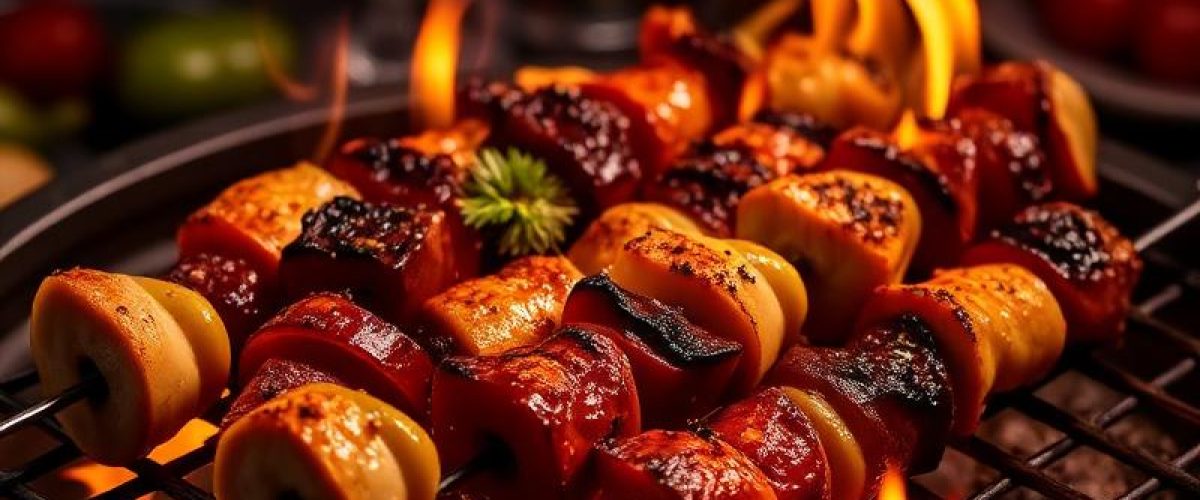
There’s hard science behind why a grilled meal matters so much to soldiers and displaced families. Food is deeply connected to memory, comfort, and community—especially in Jewish tradition where sharing meals carries profound meaning.
The Science of Comfort Food
Research in nutritional psychology has consistently shown that food does far more than fuel our bodies—it feeds our emotional wellbeing. When we eat foods associated with positive memories, our brains release dopamine and serotonin, the same neurotransmitters associated with happiness and contentment.
For soldiers in the field eating military rations day after day, a freshly grilled meal triggers powerful psychological responses. The smell of meat on the grill activates olfactory memories—backyard barbecues with family, holiday gatherings, celebrations. These associations can temporarily transport someone from a stressful situation to a place of safety and warmth.
Stress, Cortisol, and Communal Dining
Chronic stress elevates cortisol levels, which affects everything from sleep to immune function to emotional regulation. Studies show that communal meals—eating together with others—significantly reduce cortisol levels compared to eating alone.
When our volunteers arrive at a military base with grills and fresh food, we’re not just providing nutrition. We’re creating a communal dining experience that helps counteract the physiological effects of sustained stress. Soldiers sit together, share a meal, and for a moment, experience something normal amidst abnormal circumstances.
Food and Memory in Jewish Tradition
In Jewish culture, food and memory are inseparable. Every holiday has its traditional dishes, each carrying centuries of meaning. The Passover seder, Shabbat dinners, break-fast meals—these aren’t just about eating; they’re about connection to history, family, and community.
When we serve traditional Israeli BBQ to soldiers, we’re tapping into this deep cultural connection. The flavors and aromas connect them to Friday night dinners at their grandmother’s table, to Independence Day celebrations in the park, to summer evenings with friends.
The Psychology of Being Remembered
Perhaps the most powerful aspect of what we do isn’t the food itself—it’s the message it sends. When volunteers show up at a remote base with fresh, quality meals, soldiers understand that they haven’t been forgotten. Civilians care enough to spend their time and resources to bring them comfort.
This sense of being remembered and valued is crucial for morale. Military research consistently shows that soldiers who feel supported by their home front demonstrate higher resilience, better decision-making under pressure, and stronger unit cohesion.
Building Resilience Through Routine
For displaced families living in hotels and temporary housing, every aspect of normal life has been disrupted. Their routines are gone—the morning coffee ritual, the family dinner, the Shabbat preparations. This loss of routine contributes to anxiety and a sense of disconnection.
Our regular BBQ visits help establish new routines. Families know that on certain days, volunteers will arrive with familiar foods, friendly faces, and a break from institutional dining. This predictability, small as it may seem, helps rebuild the psychological structure that displacement destroys.
The Communal Table
There’s profound meaning in gathering around a table to share food. It’s one of humanity’s oldest rituals, crossing every culture and era. At the communal table, hierarchies flatten, strangers become friends, and individuals become community.
When we set up our serving stations at evacuation centers, we’re recreating this ancient experience. Families who’ve been isolated in their hotel rooms come together. Children play while parents talk. For an hour or two, the communal table transforms a collection of displaced individuals into something resembling a community.
Practical Applications
Understanding the psychology behind our mission shapes how we operate:
- **We never rush**: Taking time to serve with warmth matters as much as the food
- **We encourage sitting together**: Our events are designed for communal dining, not grab-and-go
- **We prepare traditional foods**: Familiar flavors trigger positive memories
- **We return regularly**: Building routines helps rebuild psychological stability
- **We train volunteers in emotional intelligence**: A kind word can be as nourishing as the meal itself
What the Research Shows
Studies on morale in military settings identify several key factors: feeling connected to home, maintaining physical health, having moments of normalcy, and feeling valued by society. Our BBQ events address all of these factors simultaneously.
A 2019 study published in Military Medicine found that “comfort food” interventions improved reported morale by 34% among deployed personnel. Another study in the Journal of Traumatic Stress found that communal meals reduced PTSD symptoms in disaster survivors.
Beyond the Meal
The impact extends beyond the moment of eating. Soldiers tell us they think about our visits for days afterward. Families photograph the food and send pictures to relatives abroad. Children draw pictures of the volunteers and grills.
These lasting impressions matter. They contribute to a reservoir of positive experiences that helps counterbalance the difficult ones. In psychological terms, we’re helping build resilience—the capacity to recover from adversity.
Why This Matters
Understanding the psychology behind what we do isn’t just academic—it makes us better at our mission. When volunteers understand that their smile matters as much as the chicken they’re serving, they bring more of themselves to the work. When donors understand that their contribution funds not just food but psychological support, they see the true impact of their generosity.
Food is deeply connected to memory, comfort, and community. By serving quality meals with warmth and care, we’re doing something far deeper than filling stomachs—we’re feeding hope, building resilience, and reminding people that they’re not alone.